
Termite-Proof Kitchen Cabinets: Materials and Maintenance
9 min readMagppie
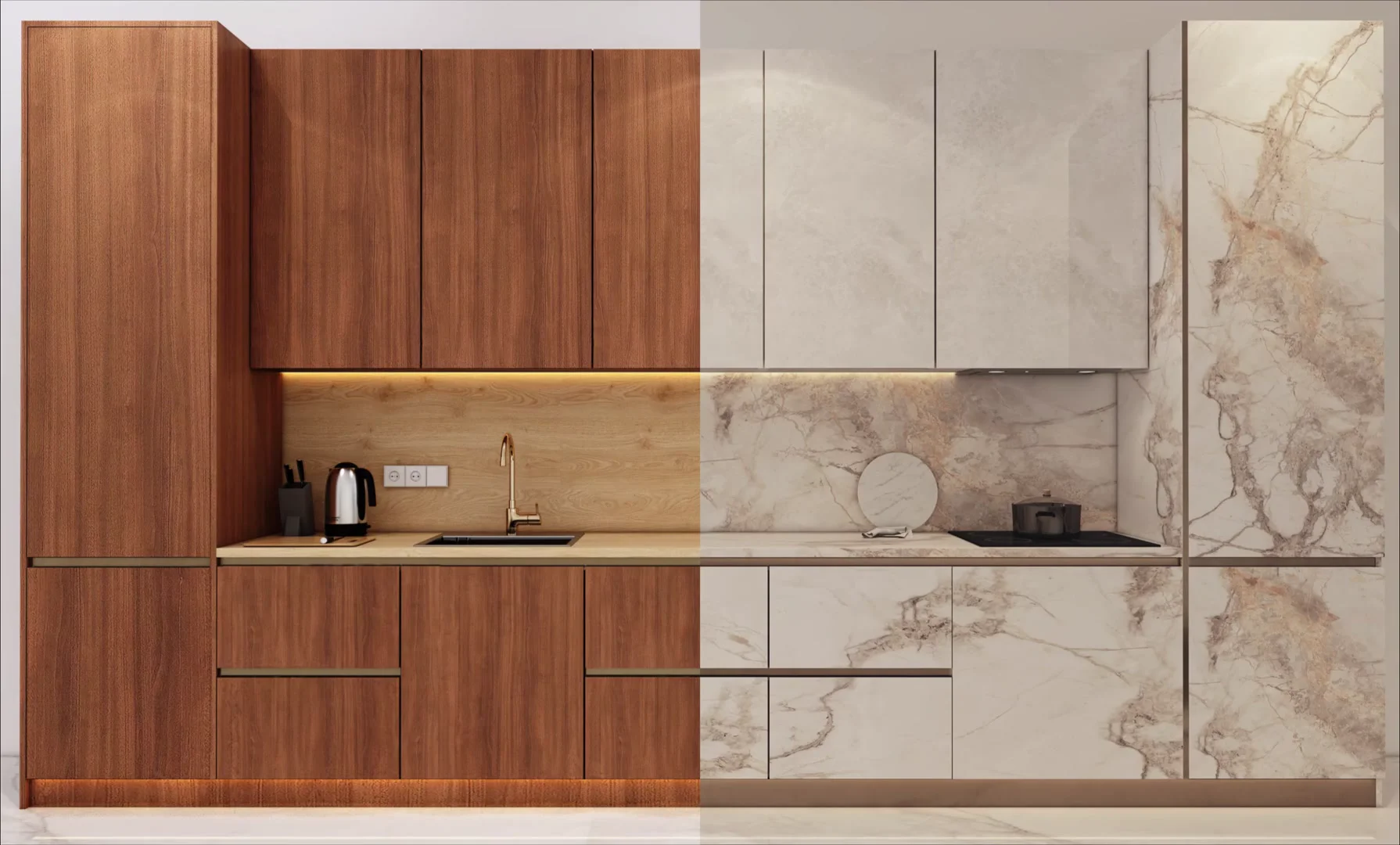
Termites can cause serious damage to wooden furniture, and the kitchen is no exception. From cabinet interiors to storage units and wooden panels, areas that are exposed to moisture or remain undisturbed for long periods can become vulnerable to termite activity. What makes the problem more concerning is that damage often remains hidden until it becomes difficult to ignore.
This is why choosing the right material is an important part of kitchen planning. While finishes and colours influence the appearance of a kitchen, the material used for its cabinets determines how well they perform over time.
If you are planning a new kitchen or renovating an existing one, understanding termite-resistant materials and proper maintenance can help you make a better decision. Here is what to consider when selecting a Kitchen Cabinet solution that reduces the risk of termite damage.
Why Are Kitchen Cabinets Vulnerable to Termites?
Termites feed on cellulose, a natural substance found in wood and other plant-based materials. Since many conventional kitchen cabinets use wood, plywood, MDF or particle board, they may be vulnerable to termite activity under suitable conditions.
The risk can increase when cabinets are installed in areas with persistent moisture, water leakage or poor ventilation. Damp wooden surfaces and hidden spaces can make it easier for termite colonies to remain undetected.
Some common warning signs include:
- Hollow sounds when tapping wooden surfaces.
- Mud tubes along walls, cabinet edges or wooden panels.
- Small holes or damaged sections in wood.
- Paint or laminate that appears uneven or begins to bubble.
- Fine wood dust or discarded termite wings near furniture.
It is important to remember that not every sign of cabinet damage indicates termites. However, unusual changes should be inspected before the problem spreads.
1. Plywood: A Common Choice for Kitchen Cabinets
Plywood is widely used in kitchen furniture because it is made by bonding multiple layers of wood veneer. Its strength and ability to hold screws make it a popular option for cabinet construction.
However, plywood is still a wood-based material. It contains cellulose, which means it can be affected by termites if it is not adequately protected.
Some manufacturers offer chemically treated plywood designed to reduce termite attacks. Marine-grade or moisture-resistant plywood may also be used in areas exposed to humidity, but moisture resistance and termite resistance are not the same thing.
Before choosing plywood for your Kitchen Cabinet, ask:
- Is the plywood chemically treated against termites?
- What grade and thickness are being used?
- Is the material suitable for kitchen conditions?
- How are exposed edges and joints protected?
- What warranty is provided against termite damage?
Do not assume that every waterproof or marine-grade plywood product is automatically termite-proof. Always check the manufacturer’s specifications.
2. MDF and Particle Board: Understand Their Limitations
MDF and particle board are engineered wood products commonly used in furniture manufacturing. MDF is made from wood fibres bonded with resin, while particle board uses wood particles pressed together with adhesives.
Both materials are available in different finishes and can be used to create visually appealing cabinet shutters and storage units. However, they are still made from wood-based components and can be vulnerable to termites.
Moisture can also affect their performance. When exposed to water over time, certain boards may swell, lose their shape or experience deterioration.
If you are considering these materials, ask about their composition, protective treatments and suitability for kitchen use. Pay particular attention to areas around sinks, dishwashers and plumbing connections.
The material used inside the cabinet is just as important as the visible exterior finish.
3. Stainless Steel: An Alternative to Wood-Based Construction
Stainless steel is another option for kitchen cabinets. Since it does not contain cellulose, it does not serve as a food source for termites in the way wood-based materials do.
It is also resistant to moisture and does not absorb water like conventional wood products. This makes it worth considering for homeowners who want to reduce their dependence on wood-based cabinet construction.
However, stainless steel kitchens also have practical considerations. The grade of steel, thickness, surface finish, fabrication quality and installation details all influence the final result.
Before selecting it, ask about:
- The grade and thickness of the steel.
- The quality of joints and fittings.
- Resistance to corrosion under kitchen conditions.
- Available finishes and design options.
- Cleaning and maintenance requirements.
A material should be evaluated for its overall suitability, not only its resistance to termites.
4. Stone-Based Kitchen Cabinets: A Different Approach
If you want to move beyond conventional wood-based construction, stone-based kitchen systems offer another material option.
Magppie’s Wellness Kitchen features patented Silverstone™ stone construction across its kitchen components. Unlike wood-based materials, stone does not provide cellulose as a food source for termites. This makes it a relevant option for homeowners looking to avoid termite-related concerns associated with conventional wooden cabinets.
The material also offers properties such as antibacterial performance, fire resistance and moisture resistance.
When evaluating a stone-based Kitchen Cabinet, ask about the construction system, material specifications, available finishes and how the different components are assembled. It is equally important to understand the installation process and the maintenance requirements recommended by the manufacturer.
The advantage of considering alternative materials is that you can plan your kitchen around the performance of the material rather than relying only on surface treatments.
5. Does Laminate or a Protective Coating Make Cabinets Termite-Proof?
A common misconception is that applying laminate or polish to wooden cabinets makes them completely safe from termites.
Laminate is primarily a decorative and protective surface layer. It can help protect the underlying board from everyday scratches and certain types of surface exposure, depending on the product. However, it does not automatically make the material beneath it termite-proof.
Termites may enter through unsealed edges, joints, damaged surfaces or concealed sections. Even a cabinet with a well-finished exterior can have vulnerable internal components.
Similarly, paints, polishes and sealants should not be treated as guaranteed termite protection unless the manufacturer specifically states their tested performance.
If you are choosing a laminated Kitchen Cabinet, ask about the core material and whether it has received a suitable termite treatment. The finish alone does not tell you enough about the cabinet’s resistance.
6. Check the Areas Where Termites Can Enter
Termite prevention is not limited to selecting the cabinet material. The surrounding kitchen environment and installation details also matter.
Pay attention to areas such as:
- Cabinet backs that touch walls.
- Corners and joints near the floor.
- Sections around plumbing connections.
- Areas below the kitchen sink.
- Wooden skirting and adjacent furniture.
- Gaps around concealed pipes and electrical openings.
These areas may remain hidden behind cabinets or appliances, making them difficult to inspect regularly.
During installation, ask the contractor to check for existing termite activity and address any moisture or structural issues before fitting the cabinets. If termites are already present, replacing the cabinet without treating the underlying problem may not solve the issue.
7. How to Maintain Kitchen Cabinets and Reduce Termite Risks
Even when you choose a termite-resistant material, regular maintenance helps keep your kitchen in good condition. A few simple practices can reduce the chances of moisture-related damage and make it easier to identify problems early.
Fix water leaks immediately
Inspect the areas below the sink, around the dishwasher and near plumbing connections. Even a small leak can create persistent dampness inside concealed cabinet spaces. Repair leaks as soon as they appear.
Keep cabinets dry
Wipe spills and standing water promptly. Avoid leaving wet cleaning cloths inside cabinets or allowing moisture to collect around cabinet edges.
Maintain proper ventilation
Good ventilation helps reduce excess humidity in the kitchen. Use the chimney or exhaust system while cooking, especially when preparing food that produces a lot of steam.
Inspect hidden areas regularly
Check cabinet corners, backs, skirting and spaces below the sink every few weeks. Look for mud tubes, damaged surfaces or unusual changes in the material.
Avoid storing damp items
Make sure utensils, containers and cleaning supplies are dry before placing them inside cabinets. This helps prevent unnecessary moisture accumulation.
Keep the surrounding area clean
Remove food spills, packaging and accumulated debris from concealed corners. Keep the areas behind large appliances and below cabinets accessible for periodic cleaning.
Get professional help when needed
If you notice signs of termite activity, contact a qualified pest-control professional. Avoid relying only on household sprays or surface treatments, as they may not address an established infestation.
8. Questions to Ask Before Buying Termite-Resistant Cabinets
Before finalising your kitchen design, make sure you have the information needed to compare materials and understand their long-term performance.
Here are some useful questions to ask your kitchen designer or manufacturer:
- What is the exact material used for the cabinet carcass and shutters?
- Does the material contain wood or other cellulose-based components?
- Has the material been chemically treated against termites?
- Is the treatment documented by the manufacturer?
- How does the material perform in areas exposed to moisture?
- Are the edges, joints and concealed sections protected?
- What maintenance does the manufacturer recommend?
- What warranty is provided for the material and construction?
- Are pest-related issues covered under the warranty?
- Can I see a sample or completed kitchen before making a decision?
Request clear answers and written specifications wherever possible. Terms such as termite-resistant and termite-proof should not be accepted without understanding what they mean for the particular product.
Conclusion: Start with the Right Material
Termite protection begins with informed material selection. While treated plywood and other engineered wood products may offer different levels of protection, they still require attention to moisture, installation quality and maintenance. Materials that do not contain cellulose, such as stone and stainless steel, offer an alternative to conventional wood-based construction.
When planning a Kitchen Cabinet, consider more than its colour, finish or storage capacity. Look at the material from the inside out, understand its limitations and check the maintenance requirements before making a decision.
Magppie’s Wellness Kitchen brings a distinctive approach to modern kitchen design through patented Silverstone™ stone construction. By moving beyond conventional wood-based cabinet construction, it offers homeowners another way to think about material selection, durability and everyday kitchen use.
Frequently asked questions
Are wooden kitchen cabinets prone to termite attacks?
Yes. Wood contains cellulose, which termites feed on. Untreated or poorly protected wooden cabinets may be vulnerable, particularly in areas with excess moisture or existing termite activity.
Which material is best for termite-resistant kitchen cabinets?
Materials that do not contain cellulose, such as stainless steel and stone, do not serve as a food source for termites. Treated plywood may also reduce the risk, but its protection depends on the treatment and product specifications.
Does waterproof plywood prevent termites?
Not necessarily. Waterproof or moisture-resistant plywood is designed to handle certain levels of moisture exposure. This does not automatically make it termite-proof. Check whether the plywood has a separate, documented termite treatment.
Can termites damage laminated kitchen cabinets?
Yes. Laminate is a surface finish and does not guarantee protection for the wood-based material underneath. Termites may enter through edges, joints or concealed sections.
How often should kitchen cabinets be inspected for termites?
Inspect cabinets periodically, especially below the sink, around plumbing connections and near the floor. A monthly visual check is a practical way to notice unusual signs early.
Are stone kitchen cabinets safe from termites?
Stone does not contain cellulose, so it does not provide termites with a food source like wood-based materials. The overall construction and surrounding kitchen environment should still be maintained properly.
What should I do if I find termites inside my kitchen cabinets?
Contact a qualified pest-control professional to inspect and treat the affected area. Also identify the source of moisture, check nearby wooden structures and assess whether damaged cabinet components need replacement.


