
Modular Kitchen Checklist: Questions to Ask Before Accepting a Quote
8 min readMagppie
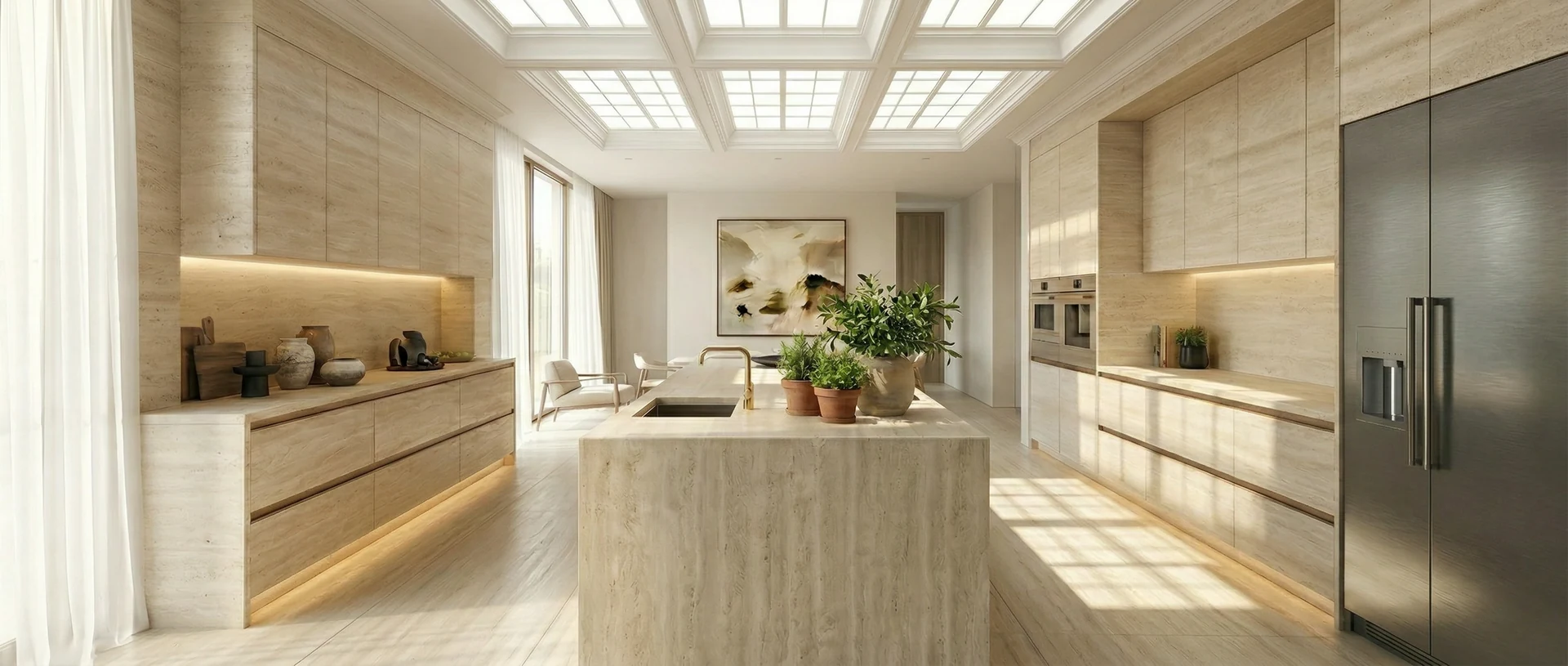
A kitchen is one of the most frequently used spaces in a home, so planning it requires more than selecting cabinet colours and countertop finishes. From the materials used inside the cabinets to the quality of hardware, storage planning and installation process, every detail affects how the kitchen performs over time.
When you receive a quotation for a Modular Kitchen, it is important to understand exactly what you are paying for. Two quotations may appear similar in price but differ significantly in material quality, internal fittings, accessories, finishing and installation services.
Before accepting a quote, take the time to ask the right questions. This checklist will help you evaluate the proposal, understand what is included and avoid unexpected expenses later.
1. What Materials Are Being Used for the Cabinets?
Start by understanding the materials used to manufacture the cabinets. The material affects durability, maintenance, resistance to moisture and the overall lifespan of your kitchen.
Ask your designer or vendor:
- What material is being used for the cabinet carcass?
- Are the shutters made from plywood, MDF, particle board, steel or stone?
- What is the thickness of the material?
- Is the material suitable for the kitchen’s moisture and heat conditions?
- Are the materials used for the base cabinets and wall cabinets the same?
Do not settle for general descriptions such as premium quality or waterproof material. Ask for the exact material specifications and product details.
A well-planned Modular Kitchen should use materials suited to the demands of everyday cooking. It is also worth exploring alternatives to conventional wood-based construction. For instance, Magppie’s Wellness Kitchen uses patented Silverstone™ stone across its kitchen construction, offering an alternative to traditional wood-based cabinets.
2. What Is Included in the Quoted Price?
Never assume that the quotation covers the entire kitchen. Some vendors provide a basic cabinet price, while accessories, hardware, countertops and installation may be charged separately.
Ask for a detailed cost breakdown covering:
- Base and wall cabinets
- Tall units and pantry units
- Cabinet shutters and internal carcass
- Countertops and backsplashes
- Handles and hinges
- Drawer channels and internal accessories
- Installation and transportation
- Finishing and final adjustments
Also ask whether taxes, delivery charges and additional design changes are included.
A detailed quotation makes it easier to compare different vendors. Instead of choosing the lowest price immediately, compare what each vendor is actually offering. A lower initial quote may become more expensive once essential components are added.
3. Which Hardware and Fittings Will Be Used?
Hardware plays an important role in the daily functioning of a kitchen. Hinges, drawer channels, lift-up systems and other fittings are used repeatedly, so their quality should not be overlooked.
Ask these questions:
- Which brand of hinges and drawer channels will be installed?
- Are the hinges soft-close?
- What is the load-bearing capacity of the drawer channels?
- Are lift-up mechanisms included in overhead cabinets?
- What is the warranty on the hardware?
- Can the hardware be serviced or replaced easily?
Request the brand names and specifications rather than accepting vague descriptions. If possible, test the hardware on a display unit to understand how smoothly the drawers and shutters operate.
Good-quality fittings improve convenience, reduce unnecessary noise and help cabinets function smoothly with regular use.
4. How Will Storage Be Planned?
A kitchen may look beautiful but still become inconvenient if the storage is poorly planned. Before accepting the quotation, check whether the design considers your cooking habits, appliances, utensils and grocery requirements.
Ask your designer:
- Is there enough space for everyday utensils and cookware?
- Are separate drawers planned for cutlery and kitchen tools?
- Is there a dedicated pantry or grocery storage section?
- Are corner units being used effectively?
- Is there enough space for larger vessels and appliances?
- Are frequently used items accessible without bending or stretching?
Also discuss the quantity and placement of drawers, shelves, pull-outs and overhead cabinets.
A practical Modular Kitchen should be designed around the way you use the space. For example, placing frequently used utensils near the cooking area can make daily tasks easier, while a dedicated pantry helps keep groceries organised.
5. Is the Kitchen Layout Suitable for the Space?
The layout determines how comfortably you can move between different work areas. Whether you choose an L-shaped, U-shaped, parallel or island kitchen, the design should suit the available floor area and your cooking routine.
Ask:
- Why has this particular layout been recommended?
- Is there enough space to open drawers and cabinet shutters?
- Can two people work in the kitchen comfortably?
- Is the movement between the sink, hob and refrigerator convenient?
- Is there enough counter space for food preparation?
- Does the layout allow easy access to appliances?
Ask for a detailed 2D layout and 3D design before approving the proposal. Review the measurements carefully, including cabinet heights, counter depth and walking space.
A visually appealing design should never compromise movement, accessibility or everyday convenience.
6. What Is the Countertop and Backsplash Material?
Countertops are exposed to heat, spills, food stains and regular cleaning. The material you choose should be suitable for these conditions and should complement the overall kitchen design.
Ask your vendor:
- Which material is being used for the countertop?
- What is its thickness?
- Is it resistant to stains, scratches and heat?
- How much maintenance does it require?
- Are the backsplash and countertop included in the quotation?
- Are cut-outs for the sink and hob included?
Also check the joints, edges and finishing details. These areas can affect both the appearance and usability of the kitchen.
If the kitchen design uses different materials for cabinets, countertops and backsplashes, ask how they will work together in terms of maintenance, durability and overall finish.
7. How Does the Design Handle Moisture, Heat and Daily Wear?
Kitchens experience changing temperatures, steam, spills and frequent cleaning. These conditions can affect materials over time, particularly around the sink, cooking area and dishwasher.
Ask your vendor:
- Are the materials suitable for areas exposed to moisture?
- How are the cabinet interiors protected?
- Can the shutters withstand regular cleaning?
- Are the materials resistant to heat and stains?
- What precautions are taken around the sink and cooking zone?
These questions are especially important when comparing different cabinet construction materials.
Magppie’s Wellness Kitchen offers a distinctive approach through its patented Silverstone™ stone construction. Rather than relying on conventional wood-based cabinet construction, the kitchen uses Silverstone™ across its components. Its material properties include antibacterial, fire-resistant and moisture-resistant features, making it an option worth exploring when evaluating kitchen materials.
8. Are Appliance Requirements Included in the Design?
Appliances should be considered before the kitchen layout is finalised. Adding them after installation can lead to changes in cabinetry, electrical points and storage.
Discuss your current and future appliance requirements with the designer. Ask:
- Are spaces allocated for the refrigerator, microwave and oven?
- Is there provision for a dishwasher?
- Are chimney and hob dimensions considered?
- Are appliance cut-outs included in the design?
- Is adequate ventilation provided?
- Are electrical points placed according to appliance locations?
Share the dimensions of your appliances before approving the final layout. If you plan to upgrade appliances later, discuss whether the design can accommodate those changes.
9. What Is the Installation Process and Timeline?
Even a well-designed kitchen can face problems if the installation is not handled properly. Before accepting the quote, understand who will be responsible for installation and how long the process will take.
Ask:
- How many days will manufacturing take?
- What is the expected installation timeline?
- Who will handle transportation and installation?
- Will the same team manage the complete project?
- Who will coordinate plumbing, electrical and civil work?
- Is final cleaning included after installation?
Ask for an estimated completion date and clarify what could cause delays. You should also know whom to contact if there are installation issues or adjustments required after the work is completed.
10. What Warranty and After-Sales Support Are Provided?
A kitchen is a long-term investment, and after-sales support is just as important as the initial design and installation.
Before accepting the quotation, ask for written details about:
- Warranty on cabinet materials
- Warranty on shutters and finishes
- Warranty on hinges and drawer channels
- Coverage for manufacturing defects
- Service availability after installation
- Repair and replacement procedures
Check whether the warranty covers the complete kitchen or only selected components. Also ask whether service visits are chargeable and how quickly support requests are generally addressed.
Always request the warranty terms in writing instead of relying only on verbal assurances.
11. Are There Any Additional or Hidden Charges?
Unexpected expenses can affect your budget if the quotation does not clearly mention exclusions.
Ask the vendor to confirm whether the following are included:
- Electrical and plumbing modifications
- Demolition or removal of the existing kitchen
- Civil work and wall adjustments
- Additional accessories and fittings
- Delivery and installation
- Taxes and other applicable charges
- Changes made after design approval
It is also useful to understand how additional work will be priced. Ask for written approval before any extra charges are added to the final bill.
A transparent quotation helps you plan your budget with greater confidence.
12. Can I See a Sample or Completed Project?
Before making the final decision, ask to see the materials and workmanship in person. A 3D design can help you visualise the kitchen, but it cannot fully communicate the feel of the materials, quality of finishing or functioning of the fittings.
Ask whether you can:
- Visit a showroom or display kitchen.
- See material samples and available finishes.
- Test drawers, hinges and pull-out accessories.
- View photographs of completed projects.
- Understand how the final installation will look.
If possible, visit a completed project to see how the design works in an actual home. This can help you make a more informed decision than relying on design images alone.
Final Checklist Before Accepting Your Kitchen Quote
Before signing the agreement or making an advance payment, make sure you have:
- Confirmed the exact materials and their specifications.
- Received a detailed, itemised quotation.
- Checked the hardware brands and warranties.
- Reviewed the storage plan and kitchen layout.
- Approved countertop and backsplash materials.
- Confirmed appliance spaces and utility requirements.
- Understood the installation timeline.
- Received written warranty and after-sales details.
- Clarified all exclusions and additional charges.
- Approved the final drawings and measurements.
Choose a Kitchen That Works Beyond Its Appearance
A kitchen should do more than match the interiors of your home. It should support your daily routine, offer practical storage, use suitable materials and remain convenient to maintain over time.
When comparing a Modular Kitchen quote, look beyond the final price. Pay attention to the materials, construction, fittings, installation and long-term support. These details make a significant difference to the overall experience.
At Magppie, the Wellness Kitchen brings a distinctive material approach to modern kitchen design with patented Silverstone™ stone construction. From cabinet components to surfaces and accessories, it offers an alternative to conventional wood-based kitchen construction.
Explore Magppie’s Wellness Kitchen and discover a different approach to planning the heart of your home. Book a Magppie consultation.


